

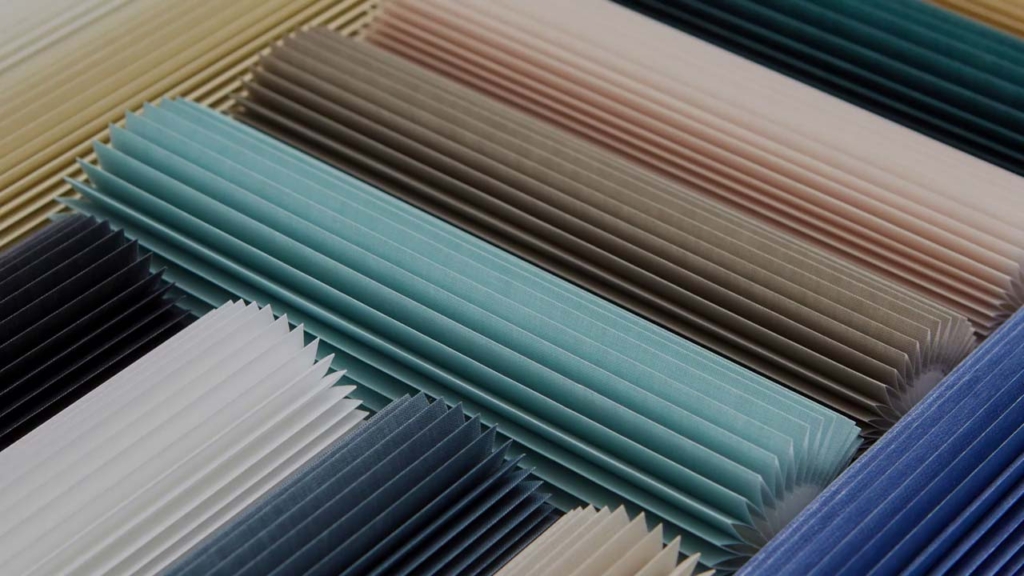

Roof Lantern Blinds vs Flat Roof Skylight Blinds: Which One is Best for Your Home?
Why are roof lanterns and flat skylights often confused?
Roof lanterns and flat roof skylights both bring natural light into a home from above, which is why many homeowners assume they are the same.
When comparing a roof lantern vs a flat roof skylight, homeowners often discover that the two structures require completely different blind systems. Understanding the difference between a flat roof skylight vs lantern helps ensure you choose the correct solution, whether that is flat roof skylight blinds, flat roof window blinds, or blinds designed specifically for roof lanterns.
Searches such as skylight vs roof lantern are common when people begin researching blinds for modern extensions or kitchen renovations, so you’re not alone if you’re finding it confusing. In this article we will break it down for you.
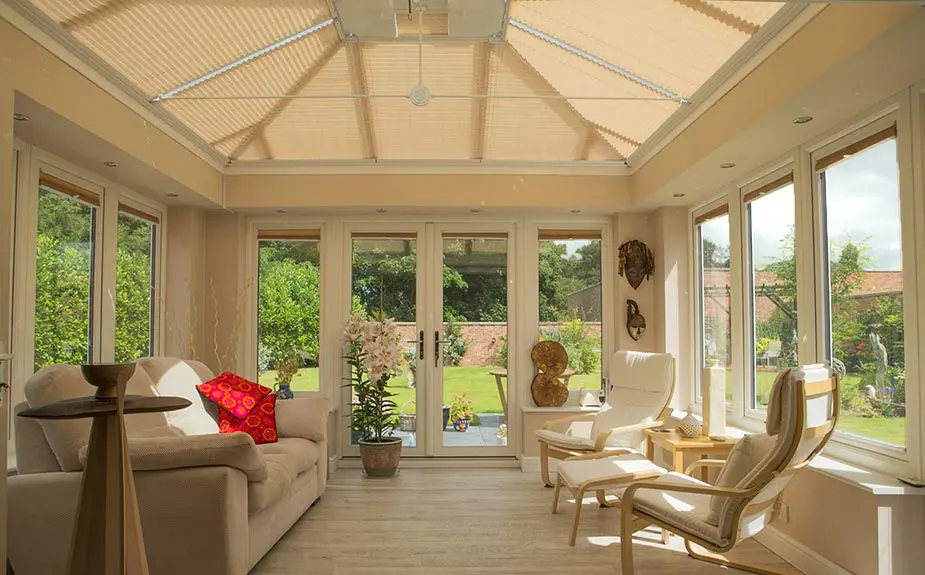
In simple terms, flat roof skylights sit flush within a flat roof, whereas roof lanterns are raised structures built on top of it.
Do I have a flat skylight or a roof lantern?
A roof lantern is raised and architectural, while a flat roof skylight sits flush within a flat roof (not on a slope).
Understanding the difference between roof lantern vs skylight helps avoid ordering the wrong blinds.
You likely have a roof lantern if:
- The structure sits raised above the roofline
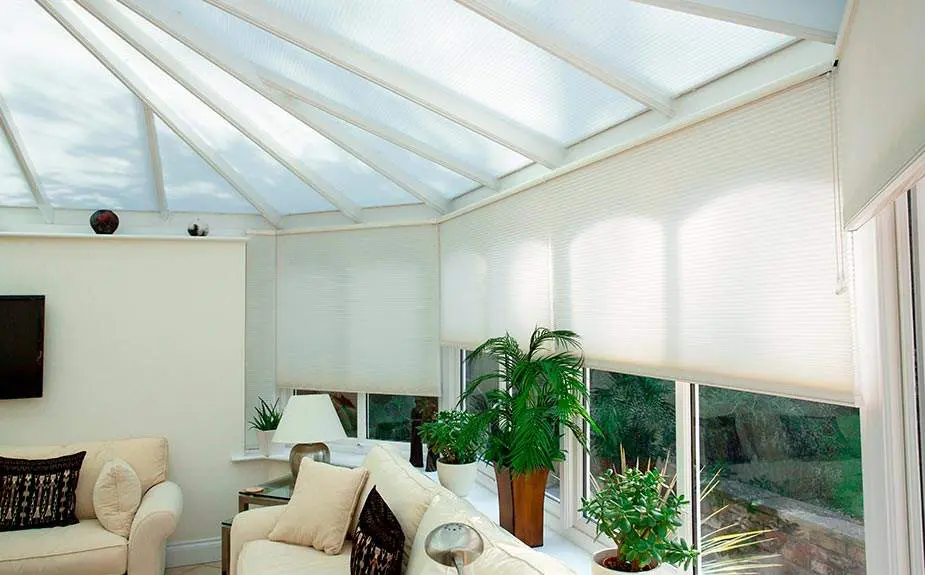
- The glazing is angled and forms a pyramid or ridge shape
- It acts as a design feature in a kitchen or extension
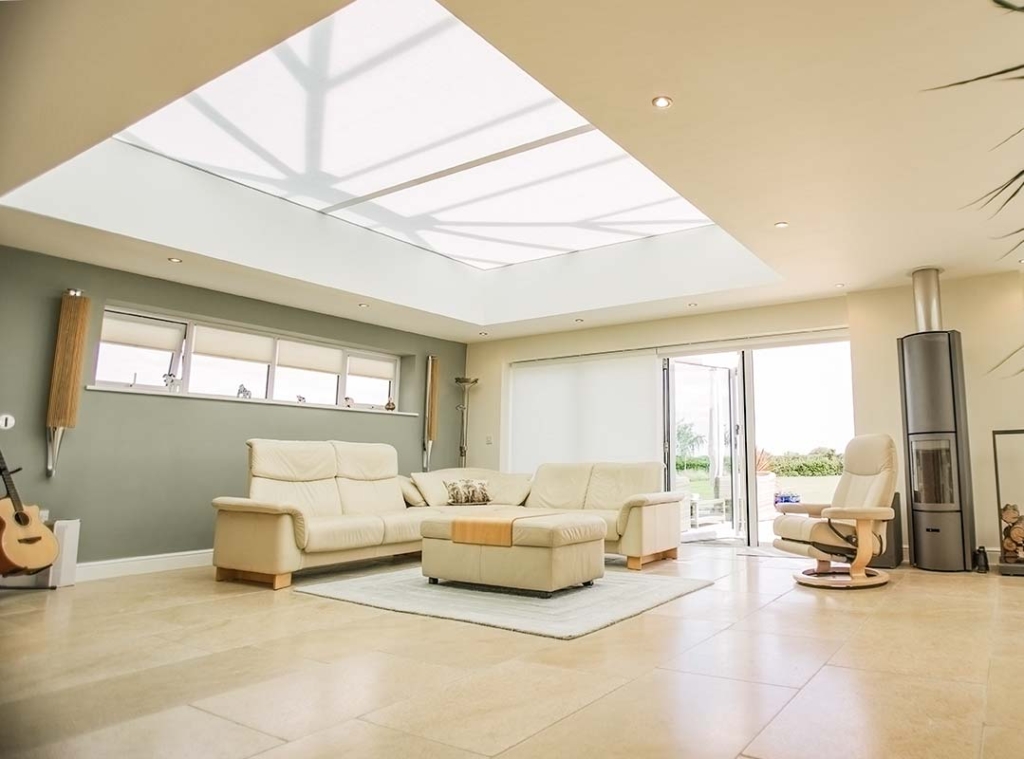
You likely have a flat skylight if:
- The glass sits flush with the roof
- The frame is minimal and discreet
- The opening appears like a simple roof window
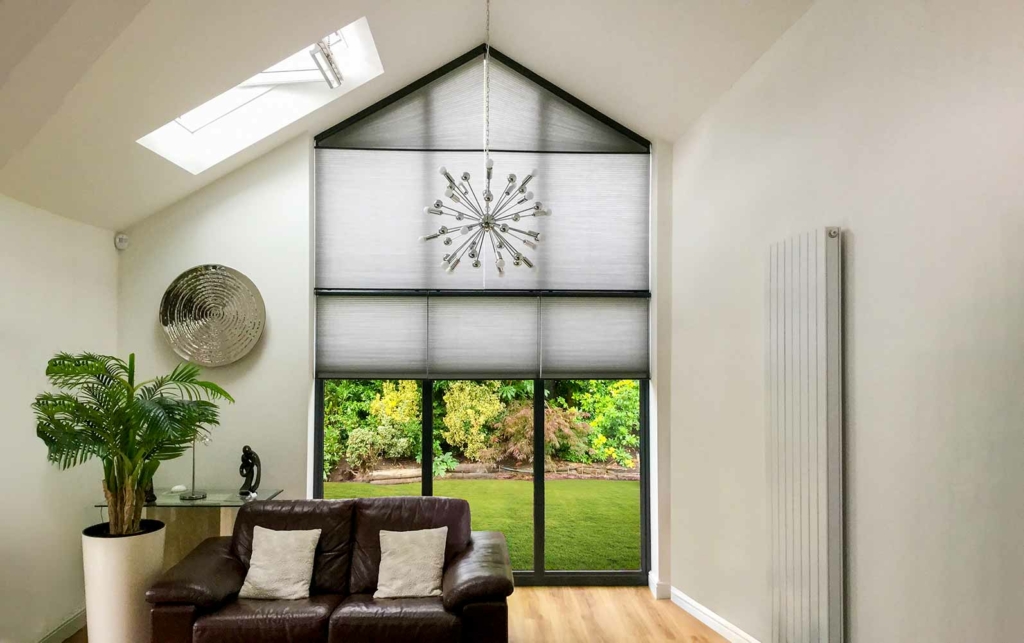
You might also have a sloping roof skylight, where the glazing also sits flush in the roof, but is sloping at an angle.
Flat roof windows typically require flat roof window blinds, flat roof skylight blinds, or blinds for flat roof windows designed specifically for horizontal glazing.
At Specialist Blinds, we always conduct a survey, where we visually inspect your glazing, so there is no worry at all that you are choosing the wrong blinds.

What are the key differences between roof lanterns and flat skylights?
Roof lanterns create architectural impact, while flat skylights prioritise minimal design and simplicity.
Understanding the roof lantern vs skylight differences helps determine whether you need roof lantern blinds or blinds for flat roof skylights.
Feature | Roof Lantern | Flat Roof Skylight |
Structure | Raised architectural frame | Flush with roof surface |
Typical blinds | Roof lantern blinds | Flat roof skylight blinds |
Installation | Within lantern frame or horizonatally | Across horizontal, flat glazing within the roof |
Best blind types | Tensioned lantern systems | Flat roof roller blinds or electric skylight blinds |
Ideal control | Light and heat control | Light, glare, and blackout control |
Both glazing styles can benefit greatly from well designed blinds that help regulate temperature and light.
What blinds are designed for flat roof skylights?
Flat skylights require blinds designed to operate horizontally across the glazing, from one side to the other.
The most common solutions include:
- Duette tensioned blinds
- Flat roof roller blinds
- Flat roof roller blackout blind
- All of these options tend to come with electric options
These systems maintain tension across the glazing while controlling heat, glare, and privacy. Because the glazing is horizontal and flat, these systems must remain tensioned to prevent sagging.
Homeowners often search for flat roof skylight blind or skylight blinds for flat roof when looking for blinds that integrate neatly into modern roof windows.
How do flat roof blinds help control heat and light?
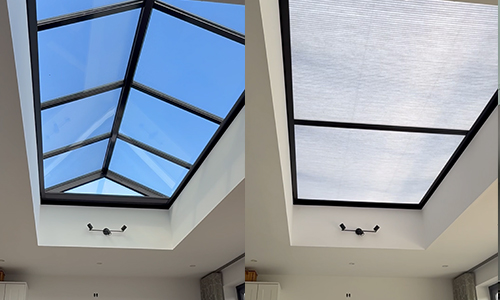
Flat roof blinds help regulate solar heat gain and reduce glare from overhead sunlight.
Flat roof skylights can allow significant solar heat into a room due to their direct exposure to overhead sunlight. Research from the Energy Saving Trust highlights how roof glazing can increase internal temperatures during sunny periods.
This is why many homeowners choose flat roof roller blackout blind systems or blinds for flat roof skylights to manage sunlight and improve indoor comfort.
Many homeowners in the flat roof blinds market in the UK choose blackout or motorised systems to improve temperature control during summer months.
Should you choose manual or electric flat roof skylight blinds?
Both manual and motorised systems are available depending on the size and position of the skylight.
Manual flat roof blinds or flat roof manual blinds are suitable when:
- The skylight is within reach
- The glazing area is small
- A simple control system is preferred
Flat roof skylight blinds electric or electric blinds for flat roof skylight are ideal when:
- The skylight is large
- The window is difficult to reach
- Smart home automation is desired
Motorised systems are becoming increasingly popular in modern kitchen extensions and homes.
Are made to measure flat roof blinds worth it?
Yes. Bespoke blinds deliver better performance and a cleaner finish.
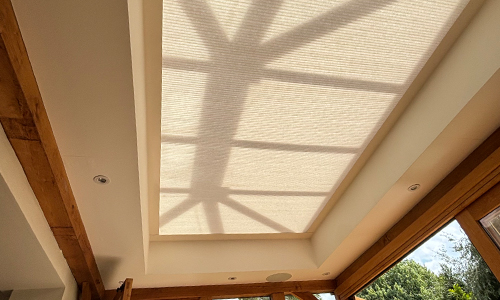
Standard blinds rarely perform well on horizontal glazing. Made to measure flat roof blinds ensure the fabric remains properly tensioned and the blind operates smoothly.
High quality flat roof skylight blinds made to measure are designed specifically for the dimensions of each skylight, ensuring long term durability and improved light control.
Which blinds work best for flat roof windows in kitchens?
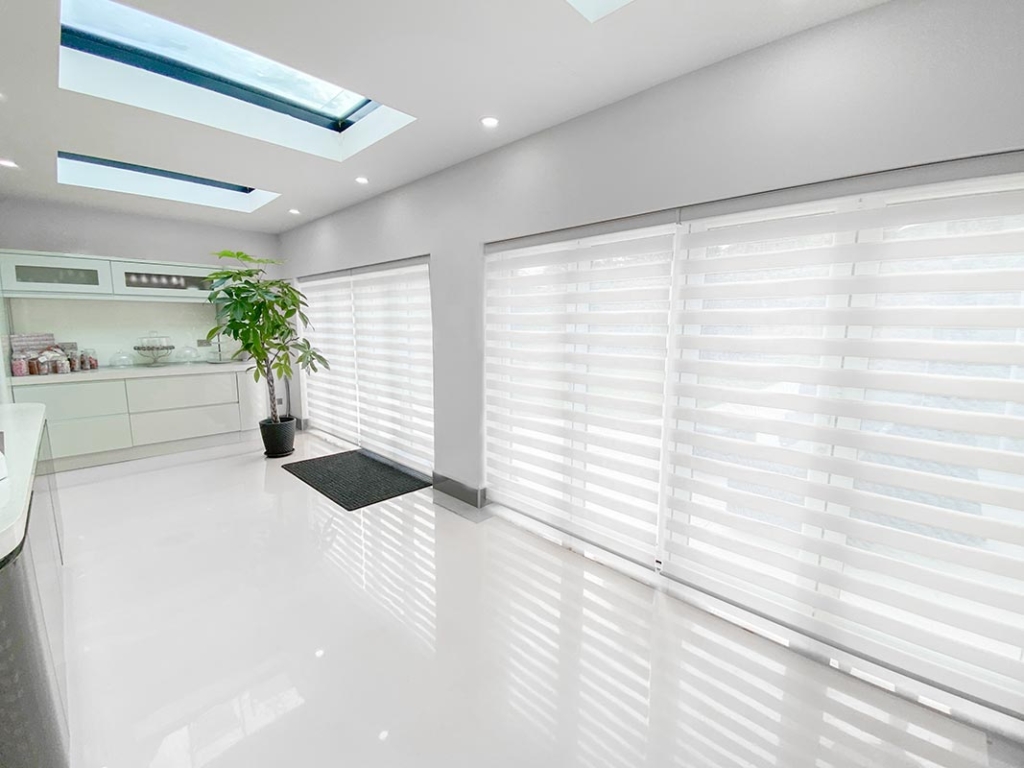
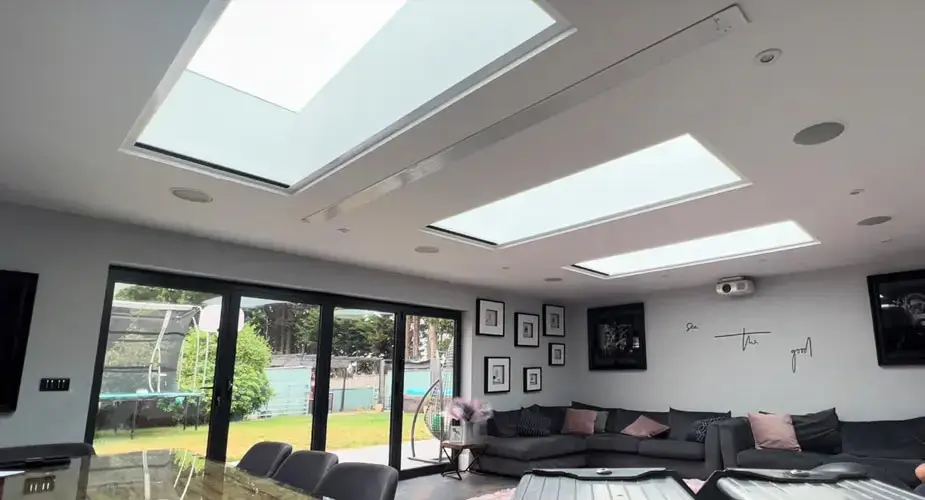
Kitchens often experience strong sunlight and heat from roof glazing.
Popular options include:
- Flat roof roller blinds
- Flat roof roller blackout blind
- Electric blinds for flat roof skylight
These systems allow homeowners to adjust light levels throughout the day while preserving the clean lines of modern extensions.
Why choose Specialist Blinds for roof lantern and flat roof blinds?
Specialist Blinds designs bespoke systems for complex roof glazing.
Whether you have a roof lantern or a skylight, choosing the correct blind system makes a significant difference to comfort and usability. High quality made to measure flat roof blinds, flat roof skylight blinds, and blinds for flat roof windows are designed to control heat, reduce glare, and maintain the clean architectural look of modern extensions.
Our solutions are:
- Made to measure for each roof window
- Professionally installed
- Designed for long term performance
We supply flat roof skylight blinds, roof lantern blinds, and blinds for flat roof skylights tailored to your home.
Request a consultation for bespoke roof window blinds

Why choose Specialist Blinds for roof lantern blinds?
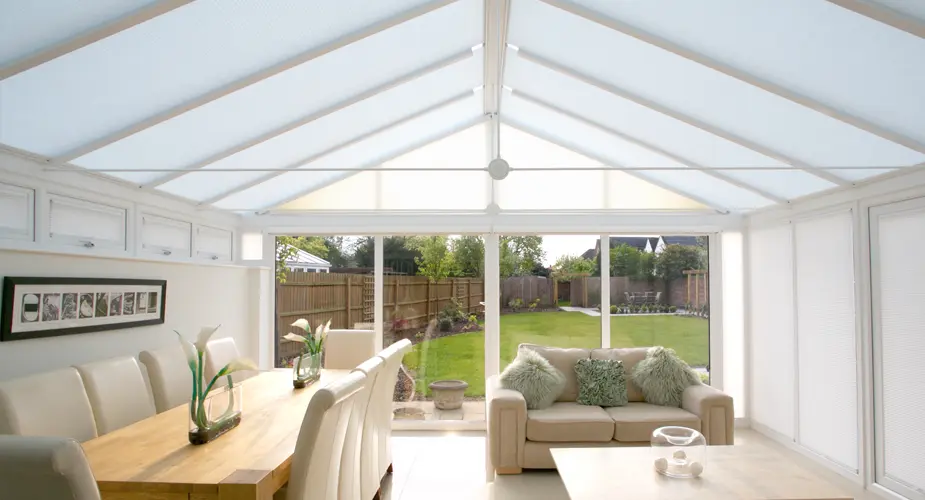
Specialist Blinds design systems specifically for lantern roofs, not adapted alternatives.
Our blinds are:
- Made to measure in the UK
- Engineered to stay taut and not sag
- Available in manual and electric options
- Designed to complement modern interiors
This is why our solutions are consistently recommended as the best lantern roof blinds by homeowners and professionals alike.
It’s worth noting that terms like skylight, rooflight, roof window, and lantern are often used interchangeably in everyday language, even though they describe different structures. This is why identifying whether your glazing is flat or raised is the most important step when choosing the right blinds.
HELPFUL INFORMATION
Frequently Asked Questions
Can I install flat roof window blinds myself?
Some systems purchased elsewhere can be self installed, but accurate measuring and correct tension are essential for good performance. To make sure our clients get the best possible result, we always complete the installation ourselves.
Do flat roof skylight blinds help with heat reduction?
Yes. Flat roof skylight blinds reduce solar heat gain and help regulate indoor temperatures.
Is it possible to achieve blackout with flat roof blinds?
Yes. Flat roof roller blackout blind systems are designed to block most incoming light.
Are electric skylight blinds worth it?
Electric systems offer convenience and are ideal for large or hard to reach skylights.
Are made to measure flat roof blinds better than standard blinds?
Yes. Flat roof skylight blinds made to measure provide better fit, smoother operation, and longer lifespan.